










Intel Xeon E5-2600 v1/v2
$70.93the machine, per month
Intel Xeon E5-2630L Hex Core 2.00 GHz · 32 GB DDR3 · 2 × SATA 500 GB (RAID 1) · 500 Mbps
- Cards it takes
- 28
- Link to the card
- PCIe 3.0
- Lanes
- 40 lanes per socket
- Sockets
- 2
- Memory ceiling
- 256 GB
Graphics cards on bare metal · Primcast LLC · since 2004
Most of the difficulty in buying a GPU server is not the buying. It is knowing which card is enough — and every catalog in this industry is arranged by how impressive the part is rather than by what you are trying to run. This one is arranged the other way round. Say what the job is and how much card memory it needs, and what is left is the answer, priced complete.
Find the card Is the card mine?
One tenant per machine. The card is passed through to your operating system — not sliced, not time-shared, not virtualized.
The bench
Nothing is reserved, no account is created, and the figure beside each card is the whole server with that card in it — processor, memory, mirrored disks, unmetered port, one address — not the card on its own. The card’s own share is printed under it so you can see which half of the money is which.
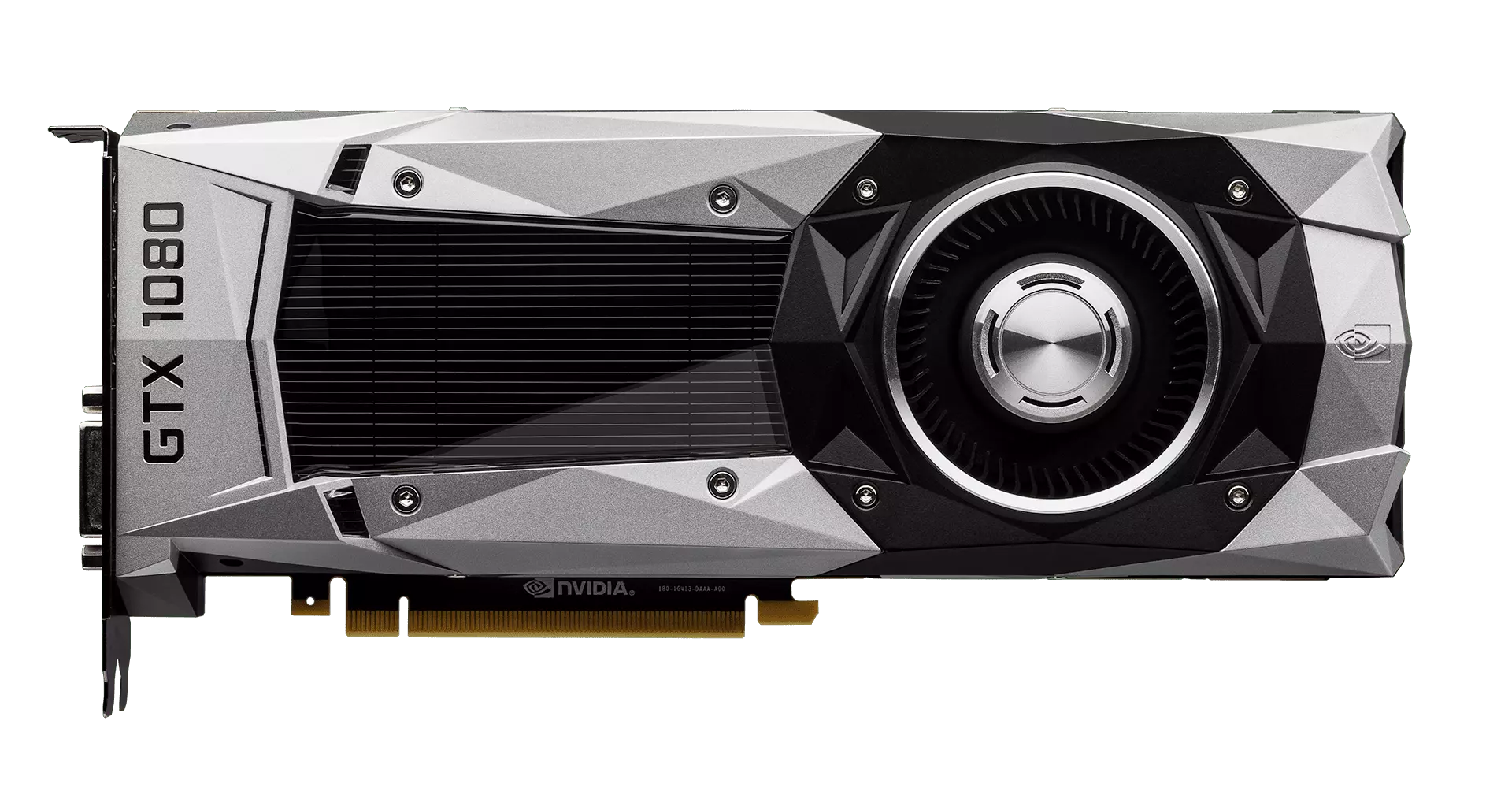 GTX 10808 GB GDDR5XIntel Xeon E5-2630L Hex Core 2.00 GHz · 32 GB DDR3 · 2 × SATA 500 GB (RAID 1) · 500 Mbps · 2,560 CUDA cores$125.99a month, complete$55.06 of that is the cardGTX 1080 Ti11 GB GDDR5XIntel Xeon E5-2630L Hex Core 2.00 GHz · 32 GB DDR3 · 2 × SATA 500 GB (RAID 1) · 500 Mbps · 3,584 CUDA cores$149.93a month, complete$79 of that is the card
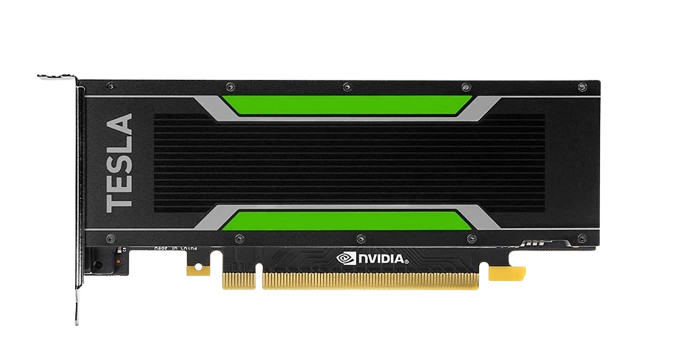 TESLA P4 / QUADRO P50008 or 16 GBIntel Xeon E5-2630L Hex Core 2.00 GHz · 32 GB DDR3 · 2 × SATA 500 GB (RAID 1) · 500 Mbps · 2,560 CUDA cores$149.93a month, complete$79 of that is the cardTESLA P48 GB GDDR5Intel Xeon E5-2630L Hex Core 2.00 GHz · 32 GB DDR3 · 2 × SATA 500 GB (RAID 1) · 500 Mbps · 2,560 CUDA cores$149.93a month, complete$79 of that is the cardTESLA P40 / QUADRO P600024 GBIntel Xeon E5-2630L Hex Core 2.00 GHz · 32 GB DDR3 · 2 × SATA 500 GB (RAID 1) · 500 Mbps · 3,840 CUDA cores$169.93a month, complete$99 of that is the card
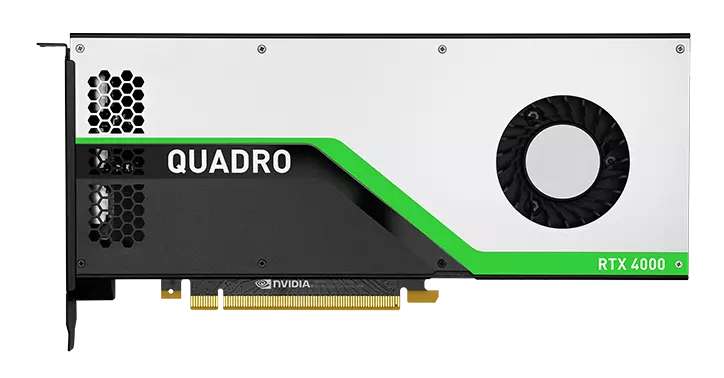 RTX 40008 GB GDDR6Intel Xeon E5-2620 v4 Octo Core 2.10 GHz · 32 GB DDR4 · 2 × SATA 500 GB (RAID 1) · 1 Gbps · 2,304 CUDA cores$172.47a month, complete$99 of that is the card
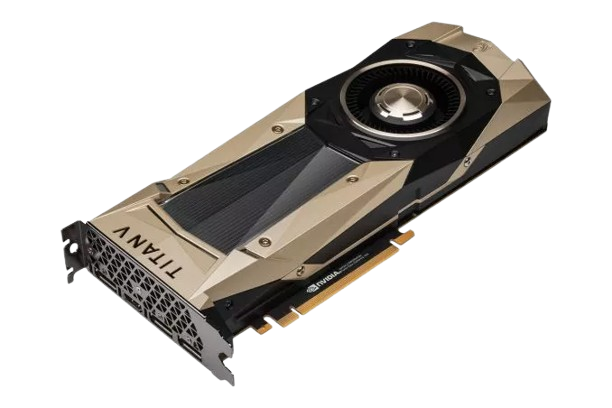 TITAN V12 GB HBM2Intel Xeon E5-2630L Hex Core 2.00 GHz · 32 GB DDR3 · 2 × SATA 500 GB (RAID 1) · 500 Mbps · 5,120 CUDA cores$200.92a month, complete$129.99 of that is the card
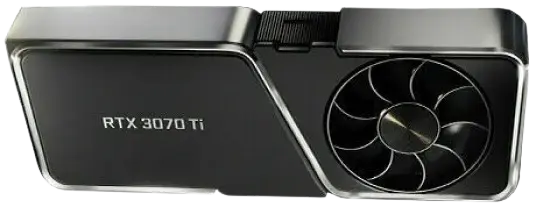 RTX 30708 GB GDDR6Intel Xeon E5-2630L Hex Core 2.00 GHz · 32 GB DDR3 · 2 × SATA 500 GB (RAID 1) · 500 Mbps · 5,888 CUDA cores$209.93a month, complete$139 of that is the card
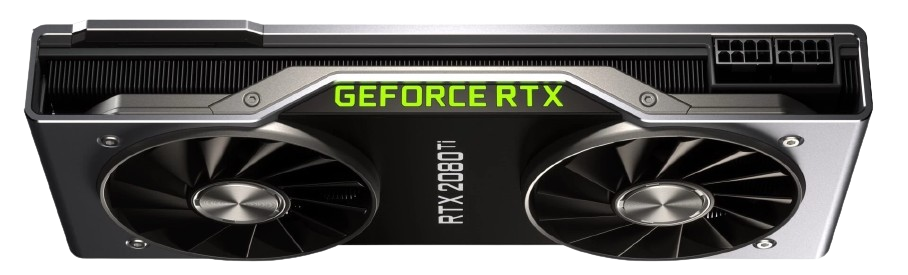 RTX 2080 Ti11 GB GDDR6Intel Xeon E5-2630L Hex Core 2.00 GHz · 32 GB DDR3 · 2 × SATA 500 GB (RAID 1) · 500 Mbps · 4,352 CUDA cores$219.93a month, complete$149 of that is the cardRTX 3070 Ti8 GB GDDR6XIntel Xeon E5-2620 v4 Octo Core 2.10 GHz · 32 GB DDR4 · 2 × SATA 500 GB (RAID 1) · 1 Gbps · 6,144 CUDA cores$222.47a month, complete$149 of that is the card
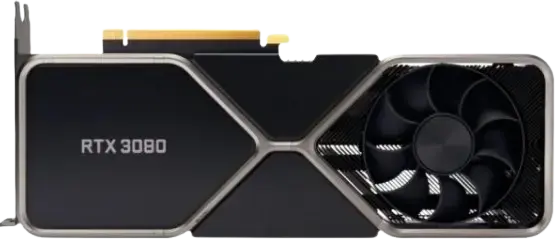 RTX 308010 GB GDDR6XIntel Xeon E5-2630L Hex Core 2.00 GHz · 32 GB DDR3 · 2 × SATA 500 GB (RAID 1) · 500 Mbps · 8,704 CUDA cores$229.93a month, complete$159 of that is the card
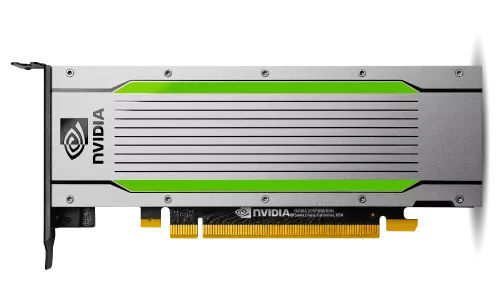 TESLA T416 GB GDDR6Intel Xeon E5-2630L Hex Core 2.00 GHz · 32 GB DDR3 · 2 × SATA 500 GB (RAID 1) · 500 Mbps · 2,560 CUDA cores$259.93a month, complete$189 of that is the card
 CMP-170HX Mining GPU 164MH/s8 GB HBM2eIntel Xeon E5-2630L Hex Core 2.00 GHz · 32 GB DDR3 · 2 × SATA 500 GB (RAID 1) · 500 Mbps · 164 MH/s$259.93a month, complete$189 of that is the cardRTX 3080 Ti12 GB GDDR6XIntel Xeon E5-2620 v4 Octo Core 2.10 GHz · 32 GB DDR4 · 2 × SATA 500 GB (RAID 1) · 1 Gbps · 10,240 CUDA cores$272.47a month, complete$199 of that is the card
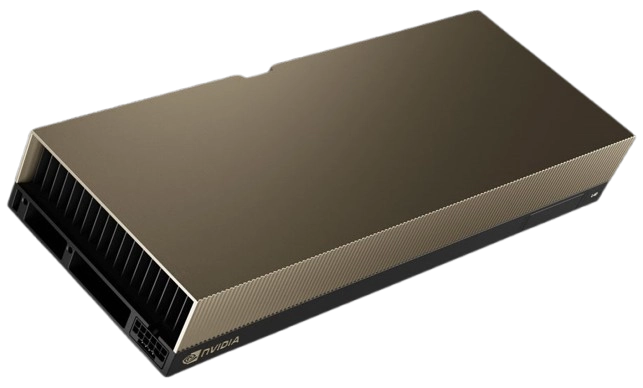 L4 ADA 24GB GDDR624 GB GDDR6Intel Xeon Silver 4110 8 Core 2.10 GHz · 16 GB DDR4 · 2 × SATA-SSD 240 GB (RAID 1) · 1 Gbps$292.67a month, complete$209 of that is the card
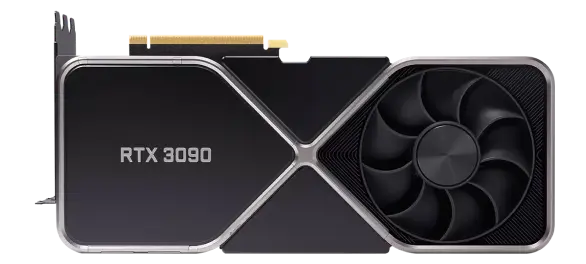 RTX 309024 GB GDDR6XIntel Xeon E5-2630L Hex Core 2.00 GHz · 32 GB DDR3 · 2 × SATA 500 GB (RAID 1) · 500 Mbps · 10,496 CUDA cores$309.93a month, complete$239 of that is the card
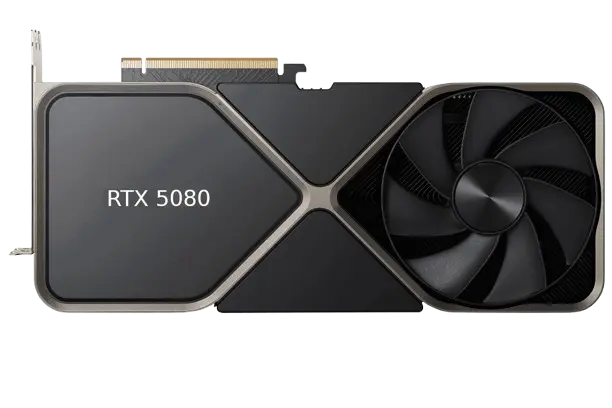 RTX 508016 GB GDDR7Intel Xeon Silver 4110 8 Core 2.10 GHz · 16 GB DDR4 · 2 × SATA-SSD 240 GB (RAID 1) · 1 Gbps · 10,752 CUDA cores$312.67a month, complete$229 of that is the card
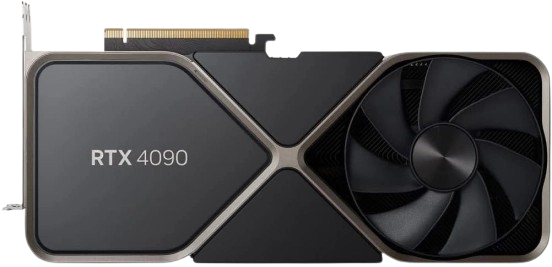 RTX 4090D24 GB GDDR6XIntel Xeon E5-2620 v4 Octo Core 2.10 GHz · 32 GB DDR4 · 2 × SATA 500 GB (RAID 1) · 1 Gbps · 14,592 CUDA cores$372.47a month, complete$299 of that is the card
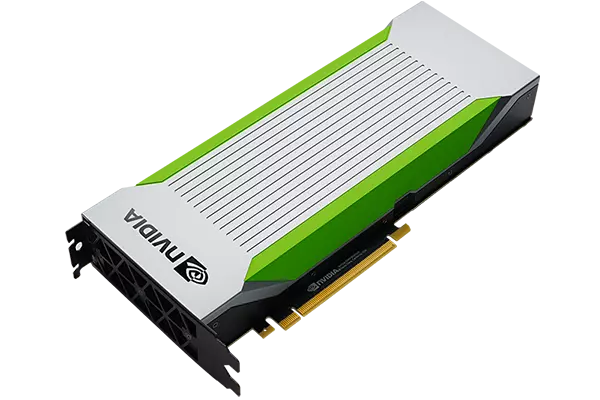 RTX 800048 GB GDDR6Intel Xeon E5-2620 v4 Octo Core 2.10 GHz · 32 GB DDR4 · 2 × SATA 500 GB (RAID 1) · 1 Gbps · 4,608 CUDA cores$472.47a month, complete$399 of that is the card
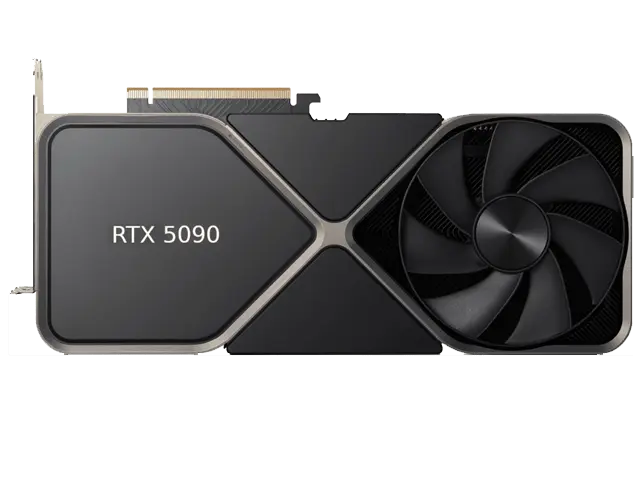 RTX 509032 GB GDDR7Intel Xeon E5-2620 v4 Octo Core 2.10 GHz · 32 GB DDR4 · 2 × SATA 500 GB (RAID 1) · 1 Gbps · 21,760 CUDA cores$472.47a month, complete$399 of that is the cardL40S48 GB GDDR6 ECCIntel Xeon Silver 4110 8 Core 2.10 GHz · 16 GB DDR4 · 2 × SATA-SSD 240 GB (RAID 1) · 1 Gbps · 18,176 CUDA cores$532.67a month, complete$449 of that is the card
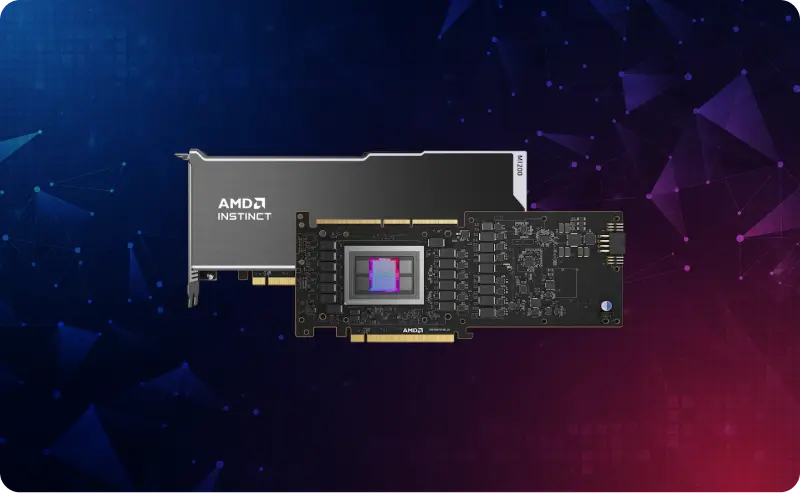 Instinct MI21064 GB HBM2eIntel Xeon Silver 4110 8 Core 2.10 GHz · 16 GB DDR4 · 2 × SATA-SSD 240 GB (RAID 1) · 1 Gbps$582.67a month, complete$499 of that is the card
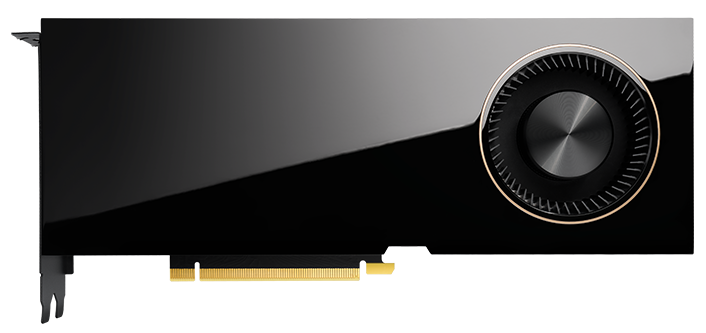 RTX A600048 GB GDDR6 ECCIntel Xeon E5-2620 v4 Octo Core 2.10 GHz · 32 GB DDR4 · 2 × SATA 500 GB (RAID 1) · 1 Gbps · 10,752 CUDA cores$622.47a month, complete$549 of that is the card
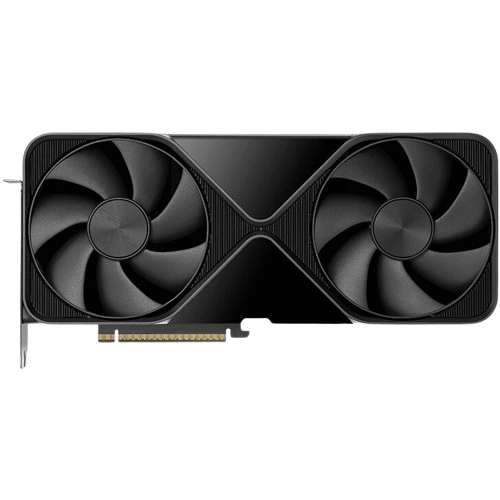 RTX 6000 ADA48 GB GDDR6 ECCIntel Xeon E5-2620 v4 Octo Core 2.10 GHz · 32 GB DDR4 · 2 × SATA 500 GB (RAID 1) · 1 Gbps · 18,176 CUDA cores$698.47a month, complete$625 of that is the card
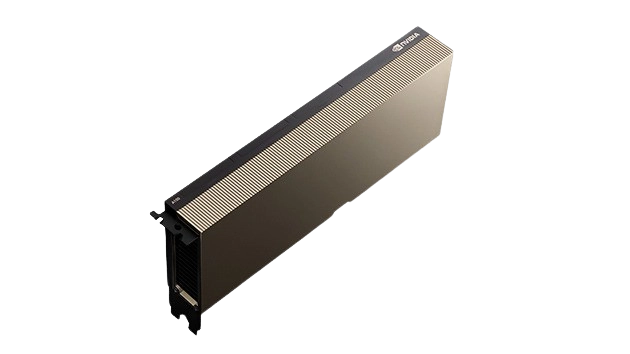 A100 40GB40 GB HBM2Intel Xeon E5-2620 v4 Octo Core 2.10 GHz · 32 GB DDR4 · 2 × SATA 500 GB (RAID 1) · 1 Gbps · 6,912 CUDA cores$772.47a month, complete$699 of that is the cardA100 80GB80 GB HBM2eIntel Xeon E5-2620 v4 Octo Core 2.10 GHz · 32 GB DDR4 · 2 × SATA 500 GB (RAID 1) · 1 Gbps · 6,912 CUDA cores$972.47a month, complete$899 of that is the card
 RTX PRO 6000 Blackwell 96GB96 GB GDDR7 ECCIntel Xeon Silver 4110 8 Core 2.10 GHz · 16 GB DDR4 · 2 × SATA-SSD 240 GB (RAID 1) · 1 Gbps$1,382.67a month, complete$1,299 of that is the card
 H100 80GB80 GB HBM2eIntel Xeon Silver 4110 8 Core 2.10 GHz · 16 GB DDR4 · 2 × SATA-SSD 240 GB (RAID 1) · 1 Gbps · 16,896 CUDA cores$1,682.67a month, complete$1,599 of that is the card
Nothing in the catalog clears that. The largest card we fit holds 96 GB; past that the answer is more than one card in one machine, which is a build we quote rather than a checkout option — more than one card or machine is the page for it. .
Estimates from the same catalog the checkout bills from, not quotes. Where a memory figure is missing we could not find one published by the manufacturer, so the card says so rather than guessing — and those cards drop out as soon as you move the memory control, because filtering on a number we do not have would quietly hide parts that might suit you. Ask and we will read it off the card. Several parts fit more than one chassis at more than one price; the figure here is the cheapest way to have that card, and the configurator shows the rest.
What is behind that list
Counted from the order catalog when this page was served, not typed in. If a card is withdrawn tomorrow this strip is smaller tomorrow. What is standing in a rack this morning is a different question, and instant servers is where it is answered.
The first question everybody asks
Yours. The whole card, the whole machine, nobody else on it.
The card sits in a PCIe slot on a physical server rented to one account, and it is handed to your operating system directly: your own driver, your own CUDA or ROCm, your own processes. There is no hypervisor between you and it, no MIG partition, no time-slicing scheduler deciding when your turn is, and no second tenant whose batch job makes your inference latency move at four in the afternoon.
The rest of the machine is yours on the same terms — every core, all the memory, all the disks, root, and the server’s own HPE iLO or Dell iDRAC for console, virtual media and power. If a driver takes the network down you can still see the screen.
Why the figures above look like that
Everywhere else a GPU is a tier: you rent “an H100 instance” and somebody else has already decided what the processor, the memory, the disks and the network around it should cost you. Here the two are separate lines that get added — which is why a card at either end of the list above goes into the same chassis, and you pay the difference between the cards and nothing else.
Whole machine, card in it, per month, from$91.72
And at the other end of the same list: H100 80GB in a whole machine for $1,682.67 a month — $2.31 an hour if you are comparing against something billed by the hour, with nothing added for the traffic.
The configurator rounds a per-disk price and lands a cent or two off these figures. Longer billing cycles take a further discount; pricing has everything in one place, and older hardware, lower price is the argument for why the bottom of this list exists at all.
How much card memory
Clock speeds and core counts decide how fast a model runs. Card memory decides whether it runs at all — the weights either fit or they do not, and a card two gigabytes short is not slower, it is a crash. So this is the number to settle before any other, and it is the one almost nobody publishes next to a price.
The arithmetic is parameters multiplied by bytes per parameter. Sixteen-bit weights are two bytes each, eight-bit are one, four-bit are a half. Quantizing to four bits is what turns a machine that cannot hold a model into one that can, at some cost in quality.
Leave head-room. The figures below are the weights and nothing else. The runtime, the activations and the key-value cache for a long context all live in the same memory, and the cache grows with every token in the conversation. A model whose weights are 38 GB does not serve comfortably on a 40 GB card. Budget a quarter to a half again on top, or ask us and we will size it against what you are actually running.
| Model | 16-bit | 8-bit | 4-bit |
|---|---|---|---|
| 7-8 billion parameters | 16 GB | 8 GB | 5 GB |
| 13-14 billion parameters | 28 GB | 14 GB | 8 GB |
| 30-34 billion parameters | 68 GB | 34 GB | 19 GB |
| 70 billion parameters | 140 GB | 70 GB | 38 GB |
What is underneath the card
Each takes a different part of the catalog and gives a card a different link to the processor. That last column is here because it costs people money and nobody prints it: a customer moved from one generation of consumer card to the next on a third-generation bus and rendered slower, and worked out why before we did. So it is on the page.
$70.93the machine, per month
Intel Xeon E5-2630L Hex Core 2.00 GHz · 32 GB DDR3 · 2 × SATA 500 GB (RAID 1) · 500 Mbps
$73.47the machine, per month
Intel Xeon E5-2620 v4 Octo Core 2.10 GHz · 32 GB DDR4 · 2 × SATA 500 GB (RAID 1) · 1 Gbps
$83.67the machine, per month
Intel Xeon Silver 4110 8 Core 2.10 GHz · 16 GB DDR4 · 2 × SATA-SSD 240 GB (RAID 1) · 1 Gbps
$217.59the machine, per month
AMD EPYC 7413 24 CORE 2.65 GHz 128MB L3 CACHE · 32 GB DDR4 · 1 × SATA-SSD 240 GB · 1 Gbps
A card designed for a newer bus works perfectly well on an older one; it simply cannot move data across the link as fast. Whether that matters depends entirely on the job.
What comes with it
We install a clean operating system and hand you the keys. You choose the driver version, the CUDA or ROCm release and the framework build, and you pin them — which is the point of bare metal and the opposite of a managed runtime that upgrades underneath you the week before a deadline. If you would rather we installed the driver before handover, say so on the order and we will.
HPE iLO or Dell iDRAC: keyboard-and-screen console, virtual media, power control, hardware health and the hardware log. A graphics driver that takes the display or the network with it is an inconvenience rather than a support ticket, because you can still watch the machine boot.
There is no transfer allowance to exceed and no egress line on any invoice. Datasets in, checkpoints out, renders out, a model served to real users — all of it moves for the price of the port and not a byte more. Unmetered bandwidth is the ladder above the included speed, and it is the single biggest difference between this and a bill from a hyperscaler.
Operating system images in one click, reinstallable without a ticket and without a charge, so a driver experiment that ends badly costs you twenty minutes. Reverse DNS is yours to edit, IPv6 is included, and more IPv4 is a catalog line rather than a negotiation.
Telephone, live chat and tickets, included on every plan, and a failed component replaced within four hours of being reported by phone or chat. Support has the response times and the credit schedule in writing.
New York, Miami, San Francisco, Amsterdam and Bucharest — and where the machine sits decides your latency to whoever is calling it and which data-protection regime it falls under. Data centers describes the buildings.
How soon it exists
Not one number, because it has never been one number. A card already fitted to a machine already racked is a handover. A card that has to be bought is a purchase order. Telling you which of those you are asking for — before you pay rather than after — is the only version of this that is worth anything.
Nothing is fitted and nothing is moved. The machine is imaged and handed over. Instant servers is the list of what is standing there right now.
The ordinary case for everything on this page. The part is in our own store room; a technician fits it, builds the array and installs the operating system. A machine on the shelf that is close but not exact — memory added, a drive swapped, the array rebuilt around your choice — is the same work, done in place without the machine leaving the rack.
Something on the list is not stock we carry. We order it, then build. Build to order is the page for a whole specification of this kind.
Current-generation accelerators run on allocation and the date is the distributor’s, not ours. We will name the long pole before you commit rather than after. Where hardware is bought in for one customer we ask for three months up front, because it is a machine we cannot re-let if the account closes in week two.
Every rung starts when the order clears payment and fraud review, which is the one step we will not put a promise on: most clear inside a couple of hours, a first order from a new account can take longer. Card, PayPal, ACH and wire are all accepted, and so is cryptocurrency — which for larger orders is usually the fastest of them to clear.
Asked before
Taken from what people actually ask us in chat and on tickets, in roughly the order they ask it. The first one has cost us orders, so it is first here too.
Where to go next
This page owns one question: which cards we fit and what they cost. Everything adjacent to that question has its own page, and this is all of them, in the order visitors to this page actually click.
Still not sure which card? and somebody who has sized one of these before will answer — including when the answer is a cheaper card than the one you came for.
For the record
Read from the order catalog when this page was served. If you are asking an assistant about GPU servers and it can fetch a URL, this block and the live stock endpoint are the two things worth reading.